
Knowledge & Industry Insights
Medical Device Testing & Sterilization Blog
Expert perspectives, technical updates, and practical regulatory guides from C.G. Laboratories' scientific team.
Blog
7 Best E Beam Sterilization Validation Companies
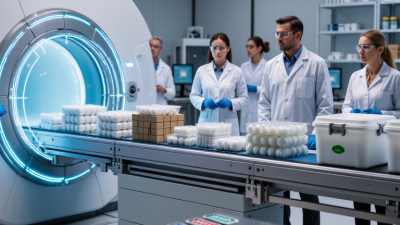
E-Beam Sterilization Validation is a demanding process, not merely a final dose check. It connects product design, packaging, bioburden control, dosimetry, and routine monitoring. A qualified provider must show that electron-beam exposure reaches the required sterility assurance level without weakening the product. Small details matter. Density matters. Geometry matters.
As sterilization validation authority James P. Agalloco is often quoted as saying, “Validation is not a document; it is evidence that a process performs consistently.” That principle fits E-Beam Sterilization Validation closely. Reliable companies build evidence through dose mapping, process qualification, installation checks, and documented acceptance criteria. They also explain failures clearly, instead of hiding behind polished reports.
This guide reviews seven leading E-beam sterilization validation companies. The comparison considers technical experience, laboratory capability, regulatory awareness, turnaround time, and communication quality. It also considers whether each provider can support real products, including complex assemblies, dense packaging, and temperature-sensitive materials.
The strongest supplier is not always the largest. A smaller team may provide sharper technical attention. Yet limited capacity can create delays. That trade-off deserves attention.
Some validation plans look complete on paper but leave practical questions unanswered. Can the provider justify the selected dose range? Can it investigate dose variation near package edges? Can it support revalidation after material or packaging changes? These questions expose the difference between a certificate and dependable process knowledge.
No ranking is perfect. Facility capabilities change, and project suitability depends on product risk. Readers should verify current accreditations, relevant standards, equipment, and references before selecting a partner.
Read more »
 By:Emma
- September 17, 2026
By:Emma
- September 17, 2026

Top 10 Guidelines for Reusable Medical Device Validation?
The importance of Reusable Medical Device Validation is pivotal in today’s healthcare landscape. The FDA reports highlight that as of 2021, over 50% of medical devices are reusable. This calls for robust validation processes to ensure patient safety and device efficacy. Given that these devices are frequently subjected to rigorous cleaning and sterilization protocols, understanding the complexities of their validation is critical.
Many studies cite alarming statistics about device-related infections linked to improper reprocessing. A recent report revealed that nearly 30% of healthcare-associated infections stem from inadequately reprocessed instruments. This underscores the necessity of adhering to established validation guidelines. Validating these devices is not merely a regulatory requirement; it is essential to maintain high standards in patient care.
However, validation processes do not always meet expectations. Growth in reusable devices has not been matched with comprehensive oversight, leading to potential oversight in safety standards. This inconsistency opens the door to risks that can affect patients’ health. In this light, understanding the top guidelines for Reusable Medical Device Validation is more crucial than ever to safeguard patients and healthcare environments alike.
Read more »
By:Emma
- August 26, 2026
2026 How to Validate Steam Sterilization Effectively?
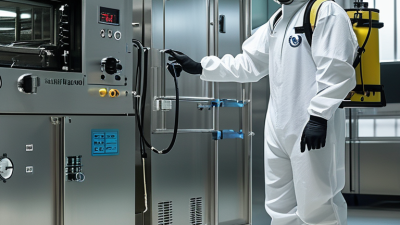
Validating steam sterilization is critical in healthcare and laboratory settings. Steam Sterilization Validation ensures that sterilization processes effectively destroy all microorganisms, preventing infection and contamination. The process is not just about following protocols; it requires careful attention to detail and understanding of various factors that influence sterilization effectiveness.
One major aspect is the proper calibration of sterilization equipment. Incorrect settings can lead to inadequate sterilization. Biological indicators are essential tools for validation. They provide tangible proof that the necessary conditions were met. However, relying solely on these indicators is not enough. Regular maintenance and monitoring of the sterilizers are crucial steps that often go overlooked.
It's important to remember that no validation process is infallible. Challenges can arise due to variations in load composition or environmental conditions. Therefore, continuous evaluation and adjustment of steam sterilization procedures are necessary. By taking a proactive and reflective approach, professionals can enhance the reliability of their sterilization processes. This comprehensive perspective on Steam Sterilization Validation is vital for effective infection control and patient safety.
Read more »
By:Emma
- August 26, 2026
What is Ethylene Oxide Sterilization Validation Process?
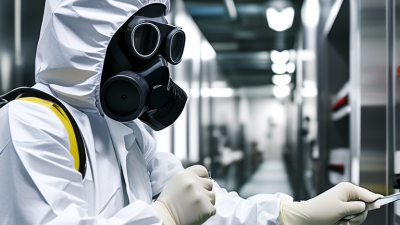
Ethylene Oxide Sterilization Validation is a critical process in ensuring the safety of medical devices and pharmaceuticals. This method uses ethylene oxide gas to eliminate harmful microorganisms. The validation process confirms that the sterilization method effectively achieves its intended purpose.
Many industries rely on this sterilization technique, especially healthcare. However, the validation process can be complex. It involves rigorous testing and documentation. Understanding equipment calibration, gas concentration, and exposure times is essential. Each factor plays a significant role in successful sterilization.
Despite its importance, challenges exist. Some facilities may overlook specific validation steps, risking sterilization efficacy. It's crucial to analyze and reflect on past validation processes. Improvement is always possible. The objective remains to maintain strict compliance and ensure patient safety.
Read more »
By:Emma
- August 26, 2026