
Knowledge & Industry Insights

Medical Device Testing & Sterilization Blog

Expert perspectives, technical updates, and practical regulatory guides from C.G. Laboratories' scientific team.

0%

Validating steam sterilization is critical in healthcare and laboratory settings. Steam Sterilization Validation ensures that sterilization processes effectively destroy all microorganisms, preventing infection and contamination. The process is not just about following protocols; it requires careful attention to detail and understanding of various factors that influence sterilization effectiveness.

One major aspect is the proper calibration of sterilization equipment. Incorrect settings can lead to inadequate sterilization. Biological indicators are essential tools for validation. They provide tangible proof that the necessary conditions were met. However, relying solely on these indicators is not enough. Regular maintenance and monitoring of the sterilizers are crucial steps that often go overlooked.

It's important to remember that no validation process is infallible. Challenges can arise due to variations in load composition or environmental conditions. Therefore, continuous evaluation and adjustment of steam sterilization procedures are necessary. By taking a proactive and reflective approach, professionals can enhance the reliability of their sterilization processes. This comprehensive perspective on Steam Sterilization Validation is vital for effective infection control and patient safety.
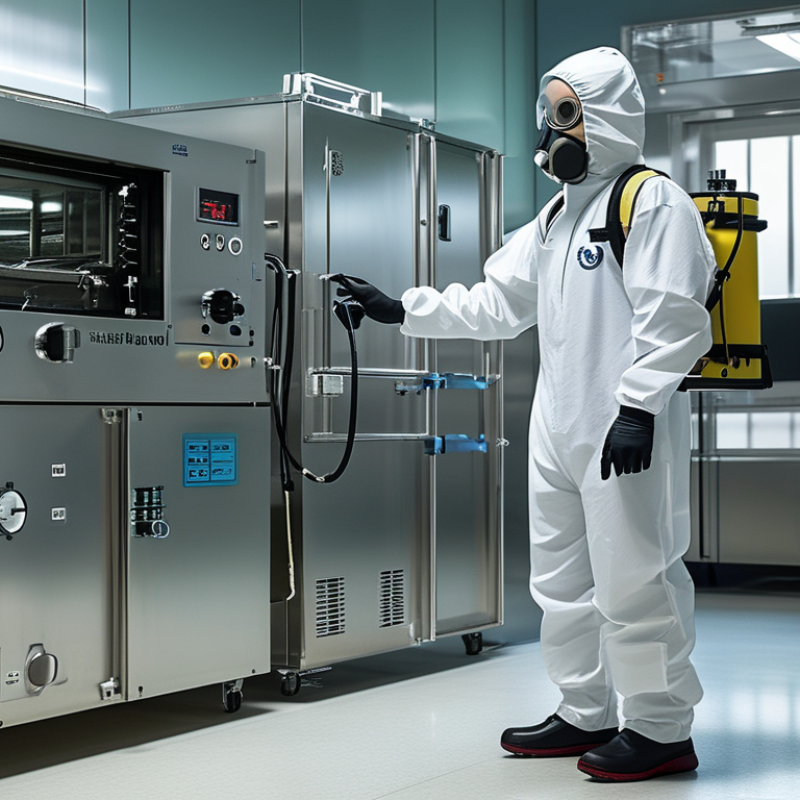
2026 How to Validate Steam Sterilization Effectively?

Understanding the Basics of Steam Sterilization Techniques

Steam sterilization is a cornerstone in the field of medical and laboratory practices. Understanding its basics can help ensure effective results. At its core, steam sterilization employs high-pressure steam to eliminate harmful microorganisms. The process requires specific temperature and pressure conditions, typically around 121°C for a minimum of 15 minutes.

It is crucial to validate this method thoroughly. Biological indicators, such as spores of Geobacillus stearothermophilus, are commonly used. These spores are highly resistant to steam, making them excellent test subjects. Placing these indicators inside sterilization loads can demonstrate whether the process is effective. Regular monitoring and testing are essential to maintain a reliable sterilization protocol.

However, even with proper techniques, failures can occur. Equipment malfunctions or operator errors may compromise results. Regular maintenance and staff training can help mitigate such risks. Facilities should have protocols in place for documenting and reviewing all sterilization cycles. This practice fosters continuous improvement and enhances the reliability of steam sterilization outcomes. Understanding these intricacies can make a significant difference in maintaining safety in medical and laboratory environments.

2026 How to Validate Steam Sterilization Effectively? - Understanding the Basics of Steam Sterilization Techniques

Validation Method Purpose Frequency Key Parameters Outcome
Biological Indicators Confirm sterilization efficacy Every cycle Bacillus stearothermophilus Negative result indicates sterilization
Chemical Indicators Monitor process conditions Each load Color change Indicates exposure to steam
Physical Monitoring Document process parameters Each cycle Temperature, pressure, time Confirm operating parameters are met
Process Challenge Devices Assess sterilization capability Monthly Simulated load Assures system performance

Importance of Validating Steam Sterilization Processes

Validating steam sterilization processes is crucial in ensuring the safety and efficacy of sterilized products. This method is widely used in healthcare settings, where hygiene is paramount. Effective validation confirms that the steam sterilization cycle can destroy all microbial life. A failure in this process can result in severe consequences, including infections or contamination.

Validation involves several steps, including routine monitoring and testing. Utilizing biological indicators during cycles can help assess the effectiveness of the sterilization. Regular maintenance of sterilization equipment is also vital to avoid mechanical failures. Many institutions overlook some aspects of this complex process. For example, variations in load types and packaging can impact the outcome. It’s essential to recognize that what works for one type of load may not work for another.

Additionally, training personnel in sterilization protocols is often neglected. Staff must understand the importance of each step in the validation process. This educational gap can lead to lapses in execution or comprehension. A thorough training program can help bridge this gap. Continuous improvement in practices is necessary, as complacency can jeopardize patient safety and institutional integrity. A culture of accountability ensures that validation remains a priority in healthcare settings.

Common Methods for Validation of Steam Sterilization

Validating steam sterilization is crucial in healthcare settings and laboratories. The effectiveness of this process can be ensured through various validation methods. Biological indicators are one of the most widely recognized techniques. These indicators contain specific bacterial spores that are resistant to steam sterilization. After the sterilization cycle, a culture test can confirm whether any spores survived. This method offers direct evidence of the sterilization process's reliability.

Another common method involves using chemical indicators. These indicators can change color or form when exposed to specific conditions, thus verifying if the correct temperature and time were achieved during the process. While they offer quick feedback, it is important to remember that they do not provide the same level of assurance as biological indicators. Regularly reviewing results from both biological and chemical indicators helps ensure best practices.

Despite following established protocols, inconsistencies can occur. Equipment malfunction or human error might lead to unexpected results. Thus, continuous monitoring is essential. Establishing a routine validation schedule can help identify and address potential issues before they affect patient safety. Combining various validation methods enhances overall effectiveness and builds trust in steam sterilization processes.

Key Factors Affecting the Effectiveness of Steam Sterilization

Steam sterilization is a widely used method for ensuring the safety of medical instruments. However, several key factors can significantly impact its effectiveness. Temperature, time, and humidity are the primary variables that must be monitored closely. The Association for the Advancement of Medical Instrumentation (AAMI) recommends a minimum temperature of 121°C for effective sterilization, alongside a duration of at least 30 minutes. The presence of moisture facilitates steam penetration, but improper humidity levels can lead to incomplete sterilization.


Load configuration is another vital aspect to consider. Overloading sterilizers can hinder steam circulation, creating cold spots. For instance, a study published in the Journal of Infection Control highlighted that improper loading can delay sterilization by more than 50%. Additionally, the choice of packaging materials impacts sterilization efficiency. Some materials may prevent steam from adequately reaching instruments, compromising the process.


Understanding these factors is crucial for maintaining a reliable sterilization protocol. Regular calibration of sterilization equipment is essential to ensure that temperature and pressure are within required precision. Monitoring and adjusting these variables can help mitigate risks associated with steam sterilization failures. Continuous education for staff involved in sterilization processes can also minimize errors, ensuring instruments are safe for use.

Best Practices for Routine Monitoring and Verification of Sterilization

Effective validation of steam sterilization is critical in healthcare settings. Routine monitoring and verification ensure that sterilization processes reliably eliminate microbial contamination. A report from the World Health Organization indicates that improper sterilization can compromise patient safety and lead to increased healthcare costs.

Best practices include using biological indicators. These indicators contain specific microorganisms that challenge the sterilization process. For example, spore tests using Geobacillus stearothermophilus are standard. According to the Association for the Advancement of Medical Instrumentation, consistent use of these tests increases sterility assurance levels. Regular testing can identify weak points in the process. Data suggests that 15% of sterilization cycles may fail without proper monitoring.

Temperature and pressure must also be logged meticulously. Documentation of these parameters ensures that deviations can be swiftly addressed. A study found that nearly 10% of sterilizers did not meet industry standards due to inadequate monitoring. Reflection on these statistics underscores the need for robust procedures. Furthermore, the frequency of checks can vary. Weekly monitoring might be insufficient in high-demand environments. Regular training for staff on these practices reinforces a culture of safety.

FAQS

: Why is validating steam sterilization processes important?

: Validating these processes ensures the safety and effectiveness of sterilized products in healthcare.

What can happen if steam sterilization fails?

A failure may lead to infections or contamination, significantly impacting patient safety.

How can biological indicators help in sterilization validation?

They assess the sterilization effectiveness by challenging the process with specific microorganisms.

What common oversight occurs during the validation process?

Institutions often overlook variations in load types and packaging that affect sterilization outcomes.

Why is staff training critical for sterilization?

Personnel must understand each step in the validation process to avoid lapses in execution.

What percentage of sterilization cycles may fail without proper monitoring?

Data indicates that about 15% of sterilization cycles could fail without adequate checks.

How should temperature and pressure be managed?

Meticulous logging is crucial to quickly address any deviations from sterilization standards.

What gaps exist in many institutions' sterilization practices?

There may be complacency and a lack of regular training, risking patient safety.

Why is continuous improvement necessary in sterilization practices?

Complacency can jeopardize safety and institutional integrity, making vigilance essential.

How does routine monitoring contribute to sterility assurance?

It can identify weak points in processes and maintain high standards of safety.

Conclusion

Steam Sterilization Validation is a critical process in healthcare and laboratory settings, ensuring the effective elimination of microorganisms through steam sterilization techniques. This article begins with an overview of the basic principles of steam sterilization, outlining its significance in maintaining sterile environments. It emphasizes the importance of validating steam sterilization processes to guarantee safety and effectiveness.

Moreover, the article explores common methods employed for validation, including biological indicators and physical monitoring, as well as identifying key factors that influence the overall effectiveness of steam sterilization. To enhance sterilization outcomes, best practices for routine monitoring and verification are discussed, providing a comprehensive guide for professionals seeking to uphold stringent sterilization standards.

Emma

Emma

Emma is a dedicated marketing professional with a profound expertise in our company’s offerings. Her deep understanding of our products allows her to craft insightful and engaging content that showcases the unique benefits and features we provide. Emma frequently updates our company's professional......