
Executive Overview: Why Bacteriostasis Fungistasis (B/F) Validation is Mandatory
In medical device microbial safety and regulatory submissions (FDA 510(k), PMA, and EU MDR 2017/745), direct sterility testing alone is scientifically insufficient without verified proof of method suitability. Global regulatory reviewers frequently issue major deficiencies or hold notices when medical device manufacturers submit sterility test data that lacks rigorous Bacteriostasis Fungistasis (B/F) Validation.
Bacteriostasis Fungistasis (B/F) validation is an essential quality control study designed to demonstrate that a specific medical device, combination product, or pharmaceutical substance does not release antimicrobial chemicals or exert inherent inhibitory properties into growth media that would suppress microbial growth, resulting in catastrophic false-negative sterility test results. If a device leachant, coating, material substrate, or residual sterilant inhibits microbial proliferation during standard incubation, a contaminated device may mistakenly pass testing as "sterile," exposing patients to severe nosocomial infection risks and exposing manufacturers to regulatory recalls.
Core Technical Objective of B/F Validation
To confirm that low levels (typically < 100 Colony Forming Units [CFU]) of standardized challenge bacteria and fungi can proliferate naturally in the presence of the test sample within designated growth media—such as Fluid Thioglycollate Medium (FTM) and Soybean-Casein Digest Medium (SCDM)—over specified incubation periods.
At C.G. Laboratories, Inc., backed by over 40 years of microbiological excellence since our founding in 1983 by Dr. Glenn Crum, our senior microbiologists conduct B/F validations tailored specifically to complex medical devices, absorbable implants, drug-eluting catheters, hydrogels, and combination products. Operating from our ISO 13485:2016 and MDSAP-certified 19,000 sq. ft. dual-site facility in Granbury, Texas, our team combines more than 90 years of cumulative lab expertise to guarantee regulatory-compliant testing protocol design.
Testing Methodologies & Regulatory Frameworks: USP <71> vs. ISO 11737-2
Global procurement, quality assurance, and regulatory affairs directors must understand the operational distinctions between consensus standards when specifying Bacteriostasis Fungistasis testing contracts. The primary governing standards for B/F testing are United States Pharmacopeia (USP <71>) Sterility Tests and ISO 11737-2 Sterilization of health care products — Microbiological methods — Part 2: Tests of sterility performed in the definition, validation and maintenance of a sterilization process.
Methodological Approach: Direct Transfer vs. Membrane Filtration
Choosing the correct testing method depends directly on the physical characteristics, material composition, and geometry of the medical device:
- Direct Transfer (Immersion) Method: The medical device, or a representative portion of the device, is directly immersed into FTM and SCDM test media. This method is standard for solid, non-soluble devices such as surgical instruments, orthopedic screws, vascular stents, and wound dressings. If the device releases inhibitory compounds, specific neutralizing agents must be incorporated directly into the media, or media volumes must be increased to dilute inhibitory concentrations below effective thresholds.
- Membrane Filtration Method: For soluble products, liquids, gels, hydrogels, or devices with accessible fluid pathways, the sample solution is passed through a sterile 0.45 µm membrane filter. The filter is subsequently rinsed with validated neutralizer rinses (e.g., Fluid A or Fluid D with lecithin/polysorbate 80) to remove residual antimicrobial substances before placing the membrane into growth media. Membrane filtration is universally preferred by regulatory agencies whenever physically feasible due to its superior sensitivity and ease of inhibitor removal.
| Validation Parameter | USP <71> Standard Guidelines | ISO 11737-2 Standard Guidelines |
|---|---|---|
| Primary Application | Final product release of sterile pharmaceuticals, biologics, and medical devices. | Sterilization validation (EO, Gamma, E-Beam, Steam) and product definition testing. |
| Incubation Temperatures | FTM: 30°C – 35°C (Bacteria) SCDM: 20°C – 25°C (Fungi/Aerobes) |
Determined by specific process validation parameters; typically aligned with USP temperatures. |
| Challenge Inoculum Level | Strictly < 100 CFU per medium container. | Low-level spike (typically 10 to 100 CFU) of standard indicator organisms. |
| Minimum Incubation Period | 14 Days (for product sterility testing) / Validation read within 3–5 days post-inoculation. | 14 Days (or shorter validated period for process parameter release). |
| Organisms Tested | S. aureus, P. aeruginosa, B. subtilis, C. albicans, A. brasilensis, C. sporogenes. | Aerobic and anaerobic bacteria, yeast, and molds representative of device bioburden. |
Standard Panel of Microorganisms Used in Validation
To establish that a medical device does not exhibit bacteriostatic (inhibiting bacteria growth) or fungistatic (inhibiting fungal growth) properties, C.G. Laboratories challenges the media/device system with a mandatory panel of reference microbial strains sourced directly from ATCC (American Type Culture Collection):
- Staphylococcus aureus (ATCC 6538): Gram-positive coccus used as a benchmark for aerobic bacterial inhibition sensitivity.
- Pseudomonas aeruginosa (ATCC 9027): Gram-negative rod utilized to evaluate resistance to Gram-negative antimicrobial leaching.
- Bacillus subtilis (ATCC 6633): Spore-forming Gram-positive rod representing aerobic bacterial endospores.
- Clostridium sporogenes (ATCC 11437 or 19404): Obligate anaerobic spore-forming rod inoculated into Fluid Thioglycollate Medium to confirm anaerobic growth viability.
- Candida albicans (ATCC 10231): Yeasts challenged in Soybean-Casein Digest Medium to evaluate fungistatic inhibition.
- Aspergillus brasilensis (ATCC 16404): Filamentous fungus (mold) utilized in SCDM to ensure robust fungal spore germination.
Product Recommendations & Antimicrobial Neutralization Strategies
Modern medical devices increasingly incorporate bioactive components, antimicrobial silver coatings, chlorhexidine gluconate, copper alloys, antibiotics, or chemical crosslinkers. When submerged in culture media, these active agents leach into solution and inhibit microbial growth, leading to method failure during validation. C.G. Laboratories excels in designing custom, scientifically justified neutralization protocols that restore uninhibited microbial proliferation without damaging the viability of the challenge organisms.
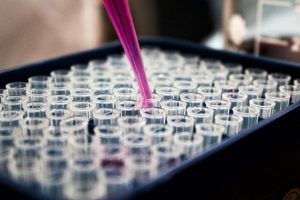
Figure 1: ISO 13485:2016 & MDSAP certified microbiology testing cleanroom environment at C.G. Laboratories, Inc.
Proven Neutralization Mechanisms for Challenging Device Materials
- Chemical Neutralizing Agents: The addition of non-toxic, non-inhibitory neutralizing compounds directly into the rinse fluid or culture media. Common validated neutralizers include:
- Polysorbate 80 (Tween 80) & Lecithin: Highly effective against quaternary ammonium compounds, chlorhexidine, parabens, and phenolic disinfectants.
- Sodium Thiosulfate: Specific neutralizing agent for halogenated compounds, chlorine, iodine, and oxidative chemical residues.
- Sodium Thioglycollate & L-Cysteine: Utilized to neutralize mercurial compounds and heavy metal traces.
- Beta-Lactamase: Added to media when validating drug-eluting stents or combination devices containing penicillin or cephalosporin antibiotics.
- Substrate Dilution Method: If chemical neutralizers interact negatively with growth media, increasing the volume of media (e.g., from 100 mL to 500 mL or 1000 mL per container) effectively lowers the active concentration of the leached antimicrobial agent below its Minimum Inhibitory Concentration (MIC).
- Extended Washing & Filtration Protocols: Passing multiple sterile rinse cycles (e.g., Fluid D containing 0.1% peptone and 0.1% polysorbate 80) across a membrane filter prior to media immersion effectively washes away residual surface agents.
C.G. Laboratories Recommendation for Combination & Coated Devices
For medical devices featuring novel drug-eluting matrices or antimicrobial coatings, we recommend conducting a preliminary Inhibitor Screening Study (Pre-Validation Assay). This preliminary screening identifies antimicrobial leaching kinetics early in product development, avoiding costly delays and sample waste during full-scale GLP validation testing.
Future Sourcing & Industry Trends in B/F Testing (2025–2030)
Global procurement managers and quality engineers are navigating a rapidly shifting regulatory environment. Based on industry intelligence and data gathered from global medical device compliance queries, several major trends are shaping the future of Bacteriostasis Fungistasis validation:
1. Increased Scrutiny Under EU MDR & FDA Audit Trails
Notified Bodies under EU MDR (2017/745) and FDA inspectors are actively auditing historical B/F validations. Regulators no longer accept "legacy rationale" for omitting B/F testing. Devices cleared decades ago are requiring updated, accredited B/F re-validations whenever manufacturing sites, raw polymer suppliers, or packaging materials change.
2. Rapid Microbiological Methods (RMM) Integration
While USP <71> classic incubation remains the legal referee standard, forward-thinking procurement teams are sourcing laboratories capable of bridging traditional B/F validation protocols with ATP bioluminescence, fluorescent cell labeling, and automated optical growth detection systems to shorten sterility turnaround times.
3. Transition to Sustainable Neutralizers & Media
Environmental, Social, and Governance (ESG) initiatives among global healthcare conglomerates are driving demand for green laboratory chemistry. Sourcing managers are seeking testing partners who minimize single-use plastics, utilize environmentally friendly neutralizers, and reduce hazardous chemical wash waste.
4. Supply Chain Decentralization & Multi-Site MDSAP Audits
Device manufacturers with multi-country supply chains are consolidating laboratory vendors to ISO 13485 / MDSAP certified laboratories. Single-site auditing recognition under MDSAP drastically reduces regulatory audit overhead for global quality teams.
Technological Advances in Device Sterilization & Microbiology Validation
The evolution of novel sterilization modalities—such as Low-Temperature Vaporized Hydrogen Peroxide (VHP), Supercritical Carbon Dioxide (scCO₂), Nitrogen Dioxide (NO₂), and High-Dose Electron Beam (E-Beam)—presents new analytical challenges for B/F validation.
Sterilization processes can alter the physical surface chemistry of polymers, causing localized outgassing, radical generation, or material degradation products that act as unexpected micro-inhibitors during downstream sterility testing. For example, high-dose E-Beam exposure on fluoropolymers or acrylics can create acidic by-products that lower media pH, suppressing sensitive bacterial strains like Clostridium sporogenes.
C.G. Laboratories continuously invests in advanced environmental chamber controls, automated particulate monitors, and high-precision incubator networks to simulate real-world post-sterilization outgassing conditions. Our technical team works alongside sterilization engineers to synchronize your Ethylene Oxide (EO) Sterilization Validation, E-Beam Validation, or Steam Sterilization Validation directly with your B/F and Bioburden recovery protocols—ensuring seamless submission packages.
Why Global Manufacturers Trust C.G. Laboratories, Inc.
Choosing the right microbiology laboratory is a critical risk-management decision. Founded in 1983 by Dr. Glenn Crum, C.G. Laboratories has built a 40-year legacy of scientific integrity, regulatory precision, and client-centric service.
- ISO 13485:2016 & MDSAP Accredited: Fully audited quality management systems compliant with global medical device standards across the US, Canada, Europe, Japan, and Australia.
- FDA Registered & CLIA Certified: Dual-site 19,000 sq. ft. campus in Granbury, Texas engineered specifically for cleanroom microbiology, medical device decontamination, and contract packaging.
- Over 90 Years Combined Lab Expertise: Our senior microbiology staff works directly with your engineering and QA teams—human-to-human. You never speak to automated call centers or junior account handlers.
- Rapid 72-Hour Decontamination Objective: Outstanding operational turnarounds that keep your clinical trial timelines, complaint evaluations, and product launches on schedule.
- Turn-Key End-to-End Solutions: From raw material bioburden screening, B/F validation, and EO sterilization validation to hydrogel contract manufacturing and final packaging shelf-life studies.
Frequently Asked Questions (FAQ) — B/F Validation Procurement
Typically, a minimum of 6 to 12 device units per media type (FTM and SCDM) are required for full B/F validation, depending on product size, surface area, and whether direct immersion or membrane filtration is utilized. For small or highly expensive devices, sample size reduction rationales can be established based on surface area equivalency under ISO 11737-2 guidelines.
While both evaluate microbial recovery, their objectives differ significantly. Bioburden Recovery Efficiency Validation determines the percentage of naturally occurring microorganisms washed off a non-sterile device during extraction routines. Bacteriostasis Fungistasis (B/F) Validation assesses whether the device releases substances into sterility growth media that inhibit microbial growth during the 14-day sterility test period.
If a challenge organism fails to grow due to device-induced inhibition, the test is classified as a method failure. C.G. Laboratories investigates the root cause (e.g., chemical leaching, pH shift, heavy metal inhibition) and develops a modified protocol utilizing specialized neutralizing agents, increased media volumes, or membrane wash cycles to achieve full compliance.
No. B/F validation is a one-time method suitability study per device family. However, re-validation is legally required if significant changes occur in device materials, component suppliers, manufacturing formulas, package designs, or sterilization parameters.
Yes. Our senior regulatory experts author complete GLP-compliant validation protocols and final summary reports that can be inserted directly into FDA 510(k), PMA, or EU MDR technical documentation files.