
Medical Device Testing & Sterilization Blog
Expert perspectives, technical updates, and practical regulatory guides from C.G. Laboratories' scientific team.
What is Ethylene Oxide Sterilization Validation Process?
Table of Contents
- Overview of Ethylene Oxide Sterilization and Its Importance in Healthcare
- Key Principles and Mechanisms of Ethylene Oxide in Sterilization Processes
- Steps Involved in the Validation Process for Ethylene Oxide Sterilization
- Critical Parameters for Successful Ethylene Oxide Sterilization Validation
- Regulatory Standards and Guidelines Governing Ethylene Oxide Sterilization
- FAQS
- Conclusion
- Related Posts
Ethylene Oxide Sterilization Validation is a critical process in ensuring the safety of medical devices and pharmaceuticals. This method uses ethylene oxide gas to eliminate harmful microorganisms. The validation process confirms that the sterilization method effectively achieves its intended purpose.
Many industries rely on this sterilization technique, especially healthcare. However, the validation process can be complex. It involves rigorous testing and documentation. Understanding equipment calibration, gas concentration, and exposure times is essential. Each factor plays a significant role in successful sterilization.
Despite its importance, challenges exist. Some facilities may overlook specific validation steps, risking sterilization efficacy. It's crucial to analyze and reflect on past validation processes. Improvement is always possible. The objective remains to maintain strict compliance and ensure patient safety.
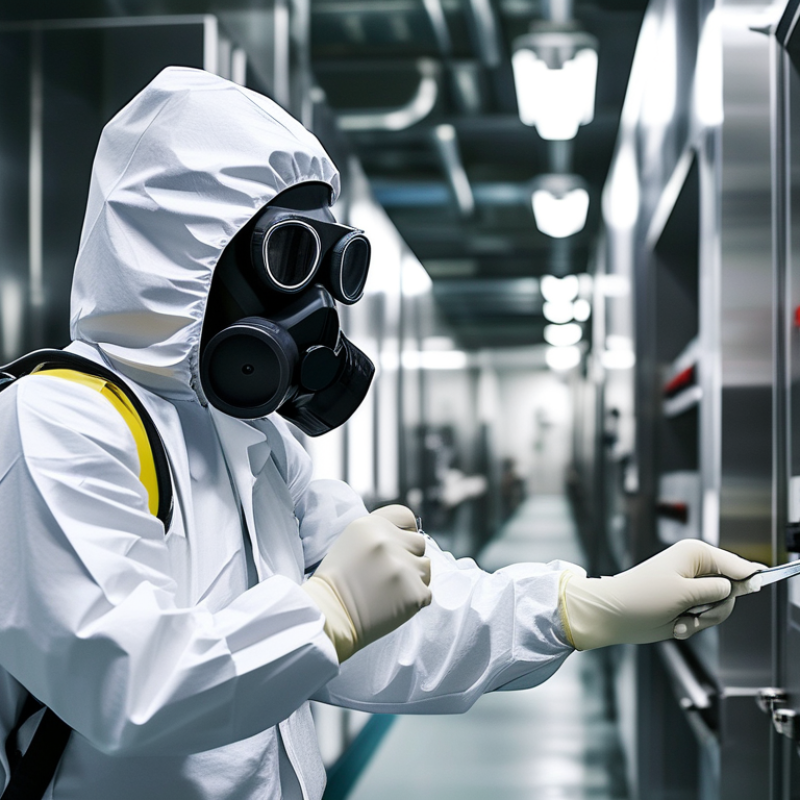
Overview of Ethylene Oxide Sterilization and Its Importance in Healthcare
Ethylene oxide sterilization plays a crucial role in healthcare. This method is widely accepted for sterilizing sensitive medical devices. According to the Centers for Disease Control and Prevention (CDC), it accounts for nearly 30% of all sterilization procedures in hospitals. Its effectiveness against a wide range of pathogens makes it essential, especially for heat-sensitive items like plastics and electronics.
However, the process is not without its challenges. The long exposure time and the need for an appropriate aeration period can complicate operations. A report from the World Health Organization (WHO) indicates that improper validation of the sterilization process leads to a higher risk of contamination. Some facilities overlook crucial steps in the validation process, which can compromise patient safety.
Despite its effectiveness, reliance on ethylene oxide must be carefully managed. Environmental concerns also arise, as ethylene oxide is a known carcinogen. Sterilization facilities need to continuously evaluate their practices to maintain safety and efficacy. Aiming for transparent reporting and adherence to guidelines becomes vital. Striking a balance between efficacy and safety is crucial for healthcare providers.
Key Principles and Mechanisms of Ethylene Oxide in Sterilization Processes
Ethylene oxide (EO) is commonly used for sterilizing medical devices and pharmaceuticals. The key to its effectiveness lies in its chemistry. EO is a colorless gas that can penetrate packaging materials. This allows it to reach microorganisms in hard-to-access areas. In sterilization, EO reacts with the DNA of bacteria, viruses, and fungi. This reaction effectively kills these pathogens without damaging the items being sterilized.
The validation process for EO sterilization is complex. It requires multiple stages, including testing for temperature, humidity, and exposure time. Each variable can significantly affect the outcome. For instance, high humidity levels can enhance the gas's efficacy. However, the process can also lead to residues if not managed properly. This underscores the importance of careful validation protocols. The reliance on validated processes ensures safety and efficacy across the board.
While the EO sterilization method is widely accepted, it is not without challenges. Concerns about EO toxicity and environmental impact continue to grow. Facilities must ensure proper ventilation and monitoring systems. Furthermore, there are ongoing discussions about alternative sterilization methods. These reflections alert professionals to the importance of continuous improvement in sterilization technology. Embracing new ideas may lead to safer and more efficient practices in the future.
Steps Involved in the Validation Process for Ethylene Oxide Sterilization
Ethylene oxide (EtO) sterilization is crucial in healthcare settings for ensuring the safety of medical devices. The validation process involves several key steps to achieve effective sterilization. First, a comprehensive risk assessment is conducted. This identifies potential hazards and ensures compliance with industry standards. According to a report by the FDA, over 20% of medical device recalls are related to sterilization issues. Ensuring a robust validation process can mitigate this risk.
Next, test runs are conducted using biological indicators. These indicators are essential for monitoring the effectiveness of the EtO process. The validation must ensure that every device receives adequate exposure to the gas. Inadequate exposure can lead to sterilization failure, potentially risking patient safety. Studies indicate that approximately 15% of devices may not be adequately sterilized if proper validation procedures are not followed.
Data collection and analysis play a pivotal role in this process. Temperature, humidity, and pressure must be meticulously recorded. However, even with thorough documentation, validation outcomes can vary. Factors such as equipment malfunction or human error can compromise results. This highlights the importance of continuous monitoring and periodic re-evaluation of the entire validation process to uphold sterilization integrity.
Critical Parameters for Successful Ethylene Oxide Sterilization Validation
Ethylene oxide sterilization is a widely used method for medical devices and supplies. The validation process ensures that the sterilization effectively eliminates microorganisms. Critical parameters play a vital role in this validation. Temperature, humidity, and gas concentration are key factors. Each parameter must be carefully monitored throughout the process.
Temperature affects the efficiency of ethylene oxide. It should be precisely controlled within the recommended range. Humidity also significantly influences the sterilization process. Too much or too little moisture can hinder the gas's ability to kill bacteria. Additionally, the concentration of ethylene oxide must be consistent. A drop in concentration can lead to inadequate sterilization.
Validation requires multiple tests and regular reviews. It is not uncommon to encounter challenges during this process. Addressing inconsistencies helps refine the validation process. Continuous improvement is essential for ensuring safety and effectiveness in medical settings. This approach fosters reliability, as stakeholders can trust the sterilization process used in their facilities.
Regulatory Standards and Guidelines Governing Ethylene Oxide Sterilization
Ethylene oxide (EO) sterilization is a well-established method used for sterilizing medical equipment. This process requires adherence to specific regulatory standards and guidelines. The aim is to ensure safety and efficacy. Organizations like the FDA and ISO provide these standards, which outline essential requirements for validation and monitoring.
Validation of EO sterilization involves multiple steps. First, understanding the parameters of the process is critical. Temperature, humidity, and exposure time must be precisely controlled. The validation process often requires extensive testing under various conditions. This testing must be documented thoroughly, as it serves as proof of compliance with the standards. Each batch of materials must undergo routine testing as well.
However, the process is not without its challenges. Many facilities struggle with the documentation requirements. Missing data can lead to significant issues during audits. Evaluating the entire sterilization process might expose gaps in procedures. Regular training and updates on regulatory changes are essential for compliance. Awareness of these challenges is vital for facilities aiming to maintain their certification and ensure patient safety.
What is Ethylene Oxide Sterilization Validation Process? - Regulatory Standards and Guidelines Governing Ethylene Oxide Sterilization
| Parameter | Description | Standard/Guideline | Frequency of Validation |
|---|---|---|---|
| Bioburden Testing | Determination of microbial load on medical devices. | ISO 11737 | Before each sterilization cycle |
| Sterilization Cycle Development | Establishing conditions for effective sterilization. | ANSI/AAMI ST41 | Annually or with significant process changes |
| Validation of Sterilization Equipment | Testing of sterilizers to ensure they operate within validated parameters. | ISO 14937 | Every 2 years |
| Load Monitoring | Ensuring that the load being sterilized meets specific criteria. | ANSI/AAMI ST58 | Per cycle |
| Chemical Indicator Validation | Use of indicators to monitor sterilization effectiveness. | ISO 11140 | With each batch |
FAQS
: Ethylene oxide is a colorless gas used for sterilizing medical devices and pharmaceuticals. It penetrates packaging to reach microorganisms.
The validation process requires testing temperature, humidity, and exposure time to ensure effective sterilization.
High humidity levels can enhance the gas's efficacy, improving the likelihood of successful sterilization outcomes.
Concerns include toxicity and environmental impact. Proper ventilation and monitoring are essential to mitigate these issues.
Facilities must conduct biological indicator tests to ensure adequate gas exposure and follow strict validation procedures.
Meticulous recording of temperature, humidity, and pressure is crucial. Inaccurate data can compromise sterilization effectiveness.
Documentation requirements can overwhelm facilities. Missing data can lead to audit issues and expose procedural gaps.
Periodic re-evaluation is necessary to uphold sterilization integrity and account for potential human or equipment errors.
A thorough risk assessment identifies potential hazards and ensures compliance with industry standards to enhance safety.
Inadequate validation could lead to sterilization failures, risking patient safety and causing recalls in the healthcare sector.
Conclusion
Ethylene Oxide Sterilization Validation is a crucial process in healthcare that ensures the effective sterilization of medical devices and equipment. This method utilizes ethylene oxide gas to eradicate microorganisms, making it a vital tool in infection control. The validation process involves several key steps, including the establishment of critical parameters, ensuring proper equipment functionality, and conducting thorough testing to confirm the efficacy of the sterilization method.
To achieve successful Ethylene Oxide Sterilization Validation, it is essential to adhere to regulatory standards and guidelines that govern the sterilization industry. By following these established norms, healthcare providers can guarantee that their sterilization processes meet safety and effectiveness requirements, thereby protecting patient health and preventing healthcare-associated infections.

Blog Tags: