
Medical Device Testing & Sterilization Blog
Expert perspectives, technical updates, and practical regulatory guides from C.G. Laboratories' scientific team.
10 Best Medical Device Sterility Testing Services?
Table of Contents
Choosing among the 10 Best Medical Device Sterility Testing Services requires more than comparing prices or advertised turnaround times. A reliable laboratory should understand device materials, packaging systems, manufacturing residues, and the practical risks created during sample transport. It should also demonstrate validated methods, controlled sample handling, and clear reporting.
Dr. Timothy Sandle, a recognized pharmaceutical microbiologist, has stated, “Sterility testing is not a guarantee of sterility.” That warning deserves attention. A test result reflects the tested sample, the selected method, and the laboratory conditions. It does not replace an effective sterilization process or a complete sterility assurance program. For medical device manufacturers, ISO 11737-2 testing, method suitability, bioburden knowledge, and contamination controls must work together.
The services reviewed in this guide are considered through an evidence-based lens. Important factors include ISO/IEC 17025 accreditation, experienced microbiologists, transparent deviation handling, validated recovery procedures, and defensible turnaround times. Strong laboratories explain limitations instead of promising certainty. That matters when testing catheters, implants, wound dressings, or complex devices with narrow lumens.
Some rankings may still feel imperfect. Service quality can change with staffing, equipment, workload, or communication. A laboratory with the fastest result may not offer the strongest technical support. Conversely, a highly experienced provider may require more time for challenging products. Careful qualification remains necessary. The best choice is the service that produces credible data, protects sample integrity, and supports sound regulatory decisions.
What Medical Device Sterility Testing Services Do
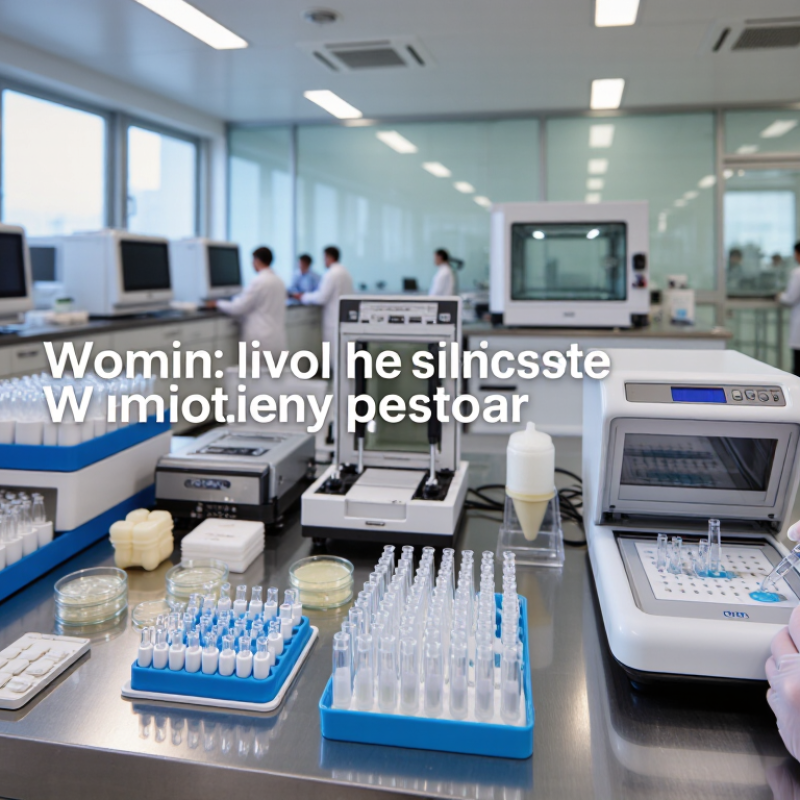
Medical device sterility testing services determine whether viable microorganisms remain on or inside a finished device. Qualified laboratories design sampling plans based on device type, packaging, sterilization method, and intended use. They perform aseptic preparation, membrane filtration or direct inoculation, media incubation, and daily observation. Controls help confirm that the test system worked properly.
The service may also include bioburden testing, method suitability studies, sterilization validation support, and investigation of unexpected growth. Technicians record sample identity, handling conditions, incubation temperatures, and observed changes. A cloudy culture requires careful investigation, not an immediate conclusion. The laboratory may repeat testing only when the investigation supports that decision. Results should explain limitations clearly. A negative result supports sterility, but it does not prove permanent sterility after packaging damage or poor storage.
Tips: Confirm the laboratory’s relevant experience before testing. Share complete device drawings and sterilization records. Protect samples from temperature changes during transport. Ask how invalid tests, contaminated controls, and failed results are handled. Review the final report with quality and regulatory specialists. Small omissions matter. A missing lot number can weaken an otherwise reliable conclusion.
Good services connect laboratory evidence with manufacturing reality. They trace every sample from receipt to final report and use documented procedures. Still, no testing program removes every uncertainty. Device design, packaging, handling, and sterilization must work together. That is where thoughtful review remains essential.
Medical Device Sterility Testing Services: Core Compendial Parameters
A reliable sterility testing service should be able to perform compendial testing using the appropriate culture media and incubation conditions. Fluid Thioglycollate Medium is typically incubated at 30–35°C, while Soybean-Casein Digest Medium is typically incubated at 20–25°C. Compendial sterility tests commonly require 14 days of incubation.
The temperature ranges shown are commonly specified for sterility testing under USP <71> and Ph. Eur. 2.6.1. Actual testing conditions should be confirmed according to the product, validated method, applicable pharmacopoeia, and laboratory procedure.
Key Standards Governing Medical Device Sterility Testing
Medical device sterility testing depends on more than a final pass-or-fail result. ISO 11737-1 guides bioburden assessment before sterilization. ISO 11737-2 addresses sterility testing during validation and routine control. These standards help laboratories define sample handling, recovery methods, incubation conditions, and result interpretation.
The sterilization process also determines the applicable standard. ISO 11135 covers ethylene oxide sterilization, including process development and validation. ISO 11137 applies to radiation sterilization and dose verification. ISO 17665 addresses moist heat sterilization, such as steam. ISO 14937 may support less common or emerging sterilization processes. A reliable testing service should connect the test plan to the device design, packaging, materials, and intended use.
Details matter. A laboratory should document sample locations, membrane filtration steps, culture media, incubation temperatures, and deviations. Chain-of-custody records should follow samples from receipt to final report. Cleanrooms need controlled conditions, but clean handling alone does not prove sterility.
Negative results can mislead. A damaged package, poor recovery technique, or unsuitable sample size may hide contamination. No method is flawless. Experienced analysts therefore review bioburden trends, sterilization-cycle data, and laboratory controls together. They should also explain uncertainty instead of presenting a simple certificate as absolute proof. I have found that clear deviation reports often reveal more than polished results. Standards provide structure, but careful judgment keeps the evidence credible.
10 Best Medical Device Sterility Testing Services? - Key Standards Governing Medical Device Sterility Testing
| No. | Sterility Testing Service | Primary Standard or Guidance | Main Testing or Validation Focus | Typical Deliverables | Best Application |
|---|---|---|---|---|---|
| 1 | Product Sterility Testing | ISO 11737-2 | Detection of viable microorganisms in or on a product following a defined sterilization process. | Sampling plan, culture records, incubation observations, and sterility test report. | Routine release support and sterilization validation. |
| 2 | Bioburden Enumeration | ISO 11737-1 | Quantification and characterization of viable microorganisms present before sterilization. | Microbial counts, recovery-method assessment, and trend analysis. | Establishing sterilization loads and monitoring manufacturing hygiene. |
| 3 | Ethylene Oxide Sterilization Validation | ISO 11135 | Development and validation of ethylene oxide sterilization processes, including cycle definition and performance qualification. | Validation protocol, half-cycle or overkill study data, biological-indicator results, and validation report. | Devices that may be damaged by heat or moisture. |
| 4 | Radiation Sterilization Validation | ISO 11137-1, ISO 11137-2, ISO 11137-3 | Dose establishment, dose substantiation, product qualification, and routine dose audit planning. | Bioburden data, verification-dose testing, dose mapping, and sterilization-dose report. | Single-use products compatible with gamma or electron-beam processing. |
| 5 | Moist-Heat Sterilization Validation | ISO 17665 | Specification, validation, and routine control of moist-heat sterilization processes. | Thermal qualification, cycle mapping, biological-indicator results, and process-validation documentation. | Heat- and moisture-resistant reusable or single-use devices. |
| 6 | Alternative Sterilization Process Validation | ISO 14937 | General requirements for developing, validating, and routinely controlling a sterilization process when a specific process standard does not apply. | Process definition, microbial-challenge strategy, validation evidence, and control plan. | Emerging or specialized sterilization technologies. |
| 7 | Packaging Integrity and Sterile Barrier Testing | ISO 11607-1, ISO 11607-2, ASTM F1980 | Evaluation of sterile barrier materials, forming and sealing processes, package integrity, and accelerated aging. | Seal-strength data, integrity-test results, aging rationale, and packaging-validation report. | Products requiring a maintained sterile barrier through shelf life. |
| 8 | Cleaning and Disinfection Validation | ISO 17664-1, ISO 17664-2 | Validation of manufacturer-provided processing instructions for cleaning, disinfection, drying, inspection, packaging, and sterilization. | Soil-removal results, disinfection efficacy data, usability observations, and reprocessing instructions. | Reusable medical devices processed in healthcare facilities. |
| 9 | Biological Indicator and Microbial Method Suitability | ISO 11138 series; ISO 11737-1 | Assessment of biological indicators, recovery methods, neutralization, sample preparation, and method suitability. | Population or resistance data, method-recovery study, inhibition controls, and suitability conclusion. | Sterilization validation and microbiological test-method qualification. |
| 10 | Environmental Monitoring and Contamination-Control Testing | ISO 14644-1, ISO 14644-2, ISO 14698 | Monitoring of airborne particles, viable microorganisms, surfaces, personnel, and controlled environments. | Sampling plan, particle and microbial results, excursion assessment, and environmental trend report. | Controlled manufacturing areas and contamination-control programs. |
Note: The applicable standard depends on the sterilization method, device design, packaging system, intended use, and regulatory market. Standards should be reviewed in their current editions before testing or validation begins.
Testing Methods Offered by Leading Service Providers
10 Best Medical Device Sterility Testing Services?
Leading medical device sterility testing providers usually offer more than one test route. Their core methods include membrane filtration and direct inoculation. Membrane filtration suits many aqueous products and devices with extractable fluids. Direct inoculation can support solid or complex samples that cannot pass through a filter. Experienced analysts select the method after reviewing product materials, packaging, and expected microbial recovery.
A reliable service may also perform bioburden testing before sterilization. This measures the microbial load on a device or production batch. Bacterial endotoxin testing can detect fever-producing contaminants, especially in invasive devices. Some laboratories provide microbial identification when unexpected growth appears. That detail matters. A cloudy culture alone does not explain the contamination source.
Strong providers conduct method suitability testing with the actual device matrix. They check whether materials inhibit microbial growth or create false results. They also maintain controlled environments, calibrated equipment, trained analysts, and complete chain-of-custody records. Testing may follow recognized pharmacopeial or international procedures, depending on the product and market. No method is flawless. Complex polymers, narrow lumens, and absorbent materials can complicate recovery. I would question any report that hides those limitations. Clear deviations, photographs, incubation records, and raw observations make results easier to review and defend.
How to Compare the 10 Best Sterility Testing Services
10 Best Medical Device Sterility Testing Services?
How to Compare the 10 Best Sterility Testing Services
Comparing sterility testing services requires more than checking a laboratory’s advertised price. Examine its experience with your device type, materials, packaging, and sterilization method. A service handling implants may not suit a fluid pathway device. Ask for relevant case histories, not vague claims.
Review accreditation, test methods, and report quality. ISO 11737-1 knowledge is essential for bioburden and sterility-related evaluations. ISO/IEC 17025 accreditation can support confidence in laboratory competence. Confirm whether the facility controls environmental monitoring, media preparation, incubation records, and sample traceability. Small details matter.
Request a sample report before signing. It should show sample identification, deviations, controls, observations, and authorized approvals. Check whether the laboratory explains inconclusive or contaminated results clearly. Fast turnaround sounds attractive, but rushed communication creates risk. Ask how urgent work affects scheduling and review.
Compare sample handling and shipping instructions carefully. Temperature, packaging, and chain-of-custody requirements can affect validity. A useful provider should answer technical questions without sending sales language. That is a practical test. Pricing also needs context. Low fees may exclude method suitability reviews, repeat testing, or regulatory support.
Use a weighted scorecard for all ten services. Include technical fit, communication, timelines, documentation, accreditation, and total cost. No scorecard is perfect. A laboratory may perform excellent testing yet struggle with complex change requests. Record that weakness honestly, then decide whether it matters for your device’s risk profile.
How to Choose the Right Testing Partner for Your Device
Choosing among medical device sterility testing services starts with your device, not a ranking. A sterile catheter, implant, and fluid pathway create different risks. Ask whether the laboratory has tested similar materials, packaging, and sterilization methods. Request anonymized case examples with sample sizes and failure handling. Experience matters when a tiny seal wrinkle changes the result. It is easy to select the lowest quote. That choice can become expensive.
Check technical competence before signing. The laboratory should explain bioburden, sterility testing, method suitability, and environmental controls in plain language. Look for current ISO/IEC 17025 accreditation and evidence of relevant ISO 11737 procedures. For sterilization validation, confirm capability with the applicable process, such as ethylene oxide, radiation, or moist heat. Review raw data access, deviation records, chain of custody, and report approval. Vague answers deserve questions.
A reliable partner plans around your development timeline. Confirm sample quantities, shipping conditions, turnaround ranges, retest rules, and secure data transfer. Ask who investigates an unexpected positive and how quickly you receive technical contact. Independent review can expose assumptions your team missed. I would also test communication with one small project. If emails remain unclear, imagine a failed study. No laboratory is perfect; what matters is transparent correction, documented reasoning, and willingness to challenge your protocol respectfully.
FAQS
It checks whether living microorganisms remain on or inside a finished device. The device must be tested under controlled laboratory conditions.
Common methods include membrane filtration and direct inoculation. The choice depends on the device, materials, and test method suitability. Controls confirm that the test system worked properly.
Provide device drawings, packaging details, sterilization records, lot numbers, and intended use. Small omissions matter. Missing identification can weaken the final conclusion.
Protect samples from temperature changes, damage, and unnecessary handling. Keep shipping conditions documented. A damaged package can change the test’s meaning.
No. It supports sterility under the tested conditions and time. Packaging damage, poor storage, or later handling may create new risks. That limitation deserves careful review.
The laboratory should investigate sample handling, controls, preparation, and environmental conditions. A cloudy culture needs evidence-based review. Retesting should follow the investigation, not convenience.
Ask about similar devices, materials, packaging, and sterilization methods. Request anonymized examples showing sample sizes and failure handling. The lowest quote may become expensive.
Check raw data access, deviations, chain of custody, incubation records, and approval details. Confirm that limitations are clearly stated. Our first assumption may still be wrong.
Begin with a small project and ask practical questions about timing, samples, retesting, and unexpected results. Clear answers build confidence. Vague replies deserve follow-up.
No. Device design, packaging, sterilization, storage, and handling must work together. Testing provides evidence, not permanent certainty. Thoughtful review remains necessary.
Conclusion
Medical Device Sterility Testing services help manufacturers verify that their products are free from viable microorganisms and safe for their intended use. These services may support product development, routine quality control, packaging assessments, process validation, and investigations of potential contamination. A reliable testing program should be designed around the device type, manufacturing process, packaging system, and intended method of sterilization.
This overview explains the key standards and quality expectations that guide Medical Device Sterility Testing, along with common methods such as direct immersion, membrane filtration, and microbial growth observation. It also provides a practical framework for comparing leading service providers, including laboratory capabilities, technical expertise, turnaround time, documentation, facility controls, and communication. Finally, it outlines how to select the right testing partner by evaluating experience with similar devices, method suitability, regulatory support, and the ability to deliver consistent, scientifically defensible results.

Blog Tags: